There have been over 1,000 civic assemblies and similar deliberative processes around the world, and many of them can be explored on Participedia, an open, searchable database of participatory democracy cases. The examples below are a small sample: some are one-time events, some are permanent institutions, and one is still under way.
The pattern is consistent. A representative group of everyday people, chosen by lot, hears from experts it chooses, deliberates with a skilled facilitator, and reaches a recommendation that reflects the considered judgment of the whole community — not just the loudest voices.

99 citizens took on what politicians couldn't touch
Lottery-selected Irish citizens — across age, gender, class, religion, and politics — spent five weekends deliberating abortion rights. Their recommendation led to a national referendum, which passed by roughly two to one. Nearly every participant said they would recommend the process to others — including those whose views were challenged by it.
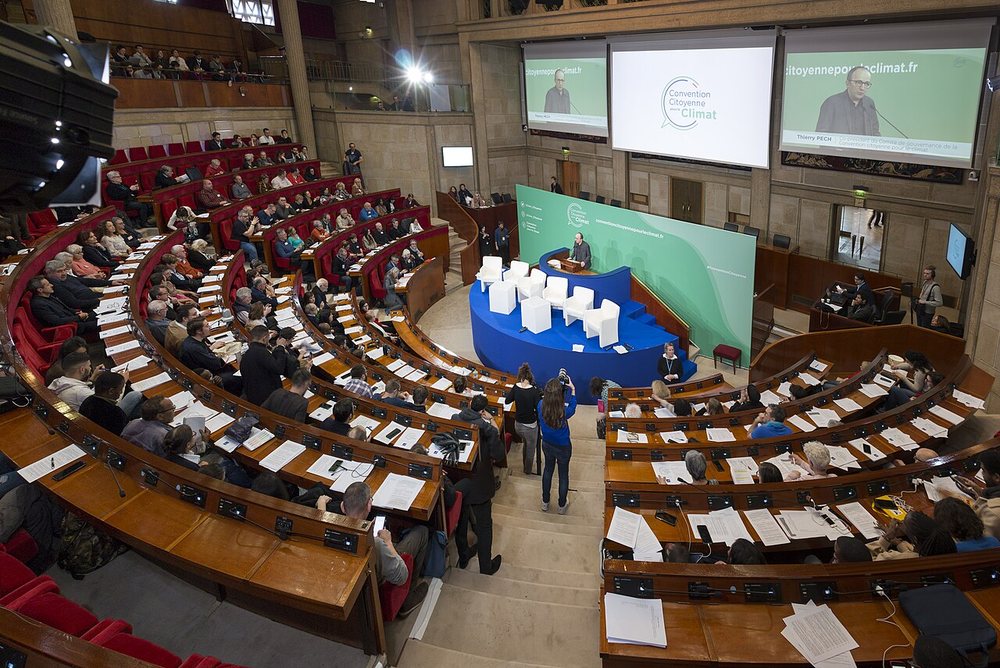
150 citizens, 149 proposals, and a promise only partly kept
France's Citizens' Convention on Climate selected 150 people by lot to work out how to cut the country's emissions by at least 40% by 2030. After months of testimony from scientists, economists, and industry experts, they produced 149 proposals, many of which elected officials had considered politically impossible. But the President's promise to pass them “without filter” was only partly kept — one reason the SCALE model makes the vote automatic.

America in One Room: a weekend of listening across the divide
Stanford's Center for Deliberative Democracy brought a demographically representative sample of American voters to the Dallas area for a weekend of moderated small-group discussion and questions to experts. On immigration, the share of Republican delegates favoring forced deportation of undocumented immigrants fell from 79% to 40%. The share who said American democracy is “working well” doubled.
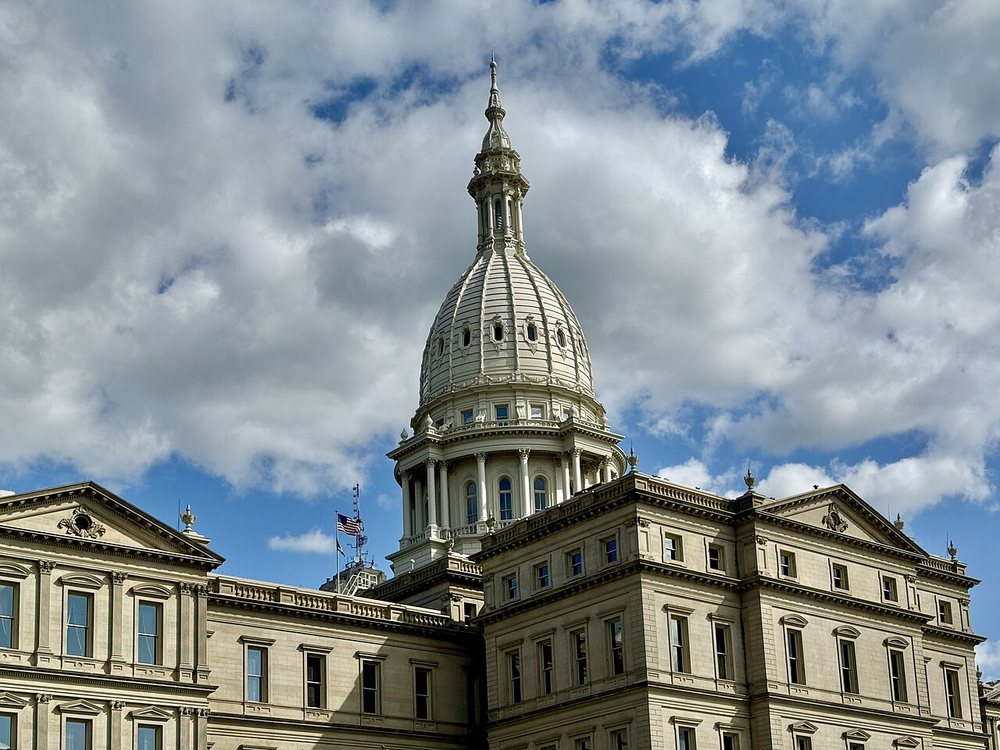
Michigan's redistricting commission: 13 citizens drew the maps
A citizen-led 2018 ballot initiative created the Independent Citizens Redistricting Commission. Nearly 10,000 residents applied; a lottery draw narrowed the pool and then picked 13 commissioners — four Democrats, four Republicans, and five independents. They held public hearings across the state and adopted Michigan's district maps in December 2021. In 2023 a federal court ordered 13 Detroit-area legislative districts redrawn, a reminder that even citizen-drawn maps face legal scrutiny.
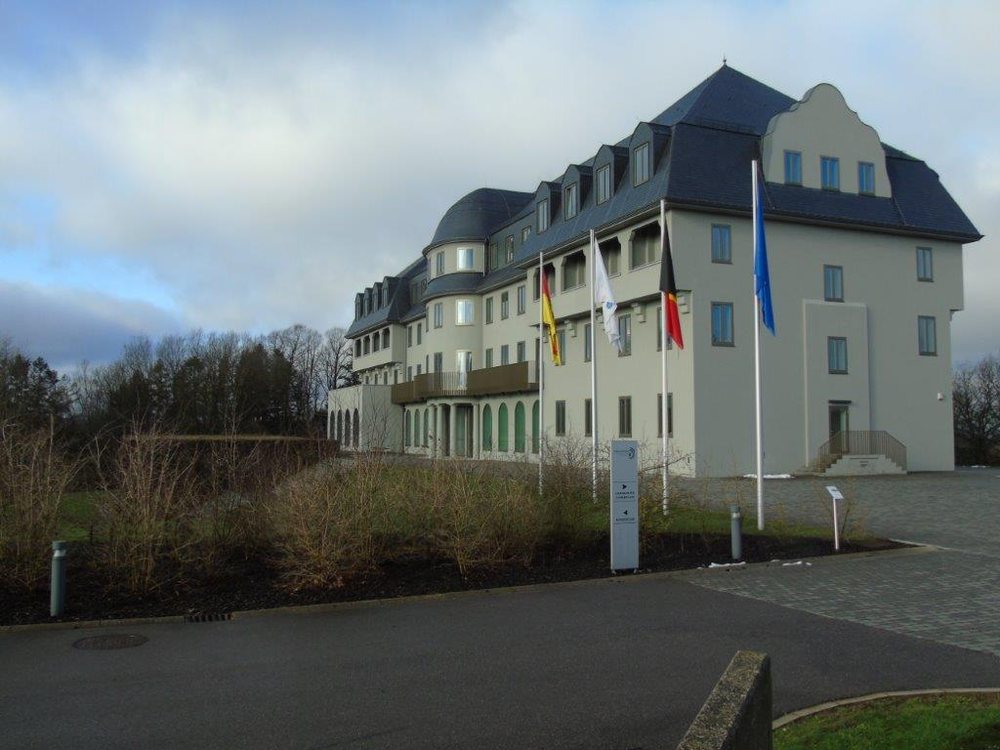
A permanent citizens' assembly, written into law
In 2019 the parliament of Belgium's small German-speaking community made citizen deliberation a permanent part of government. A Citizens' Council, drawn by lot, sets the agenda and convenes citizens' assemblies, also drawn by lot, on the topics it chooses. Parliament and ministers must respond to each set of recommendations, and the assembly reconvenes with them to check on progress. Six assemblies were held in the first five years.
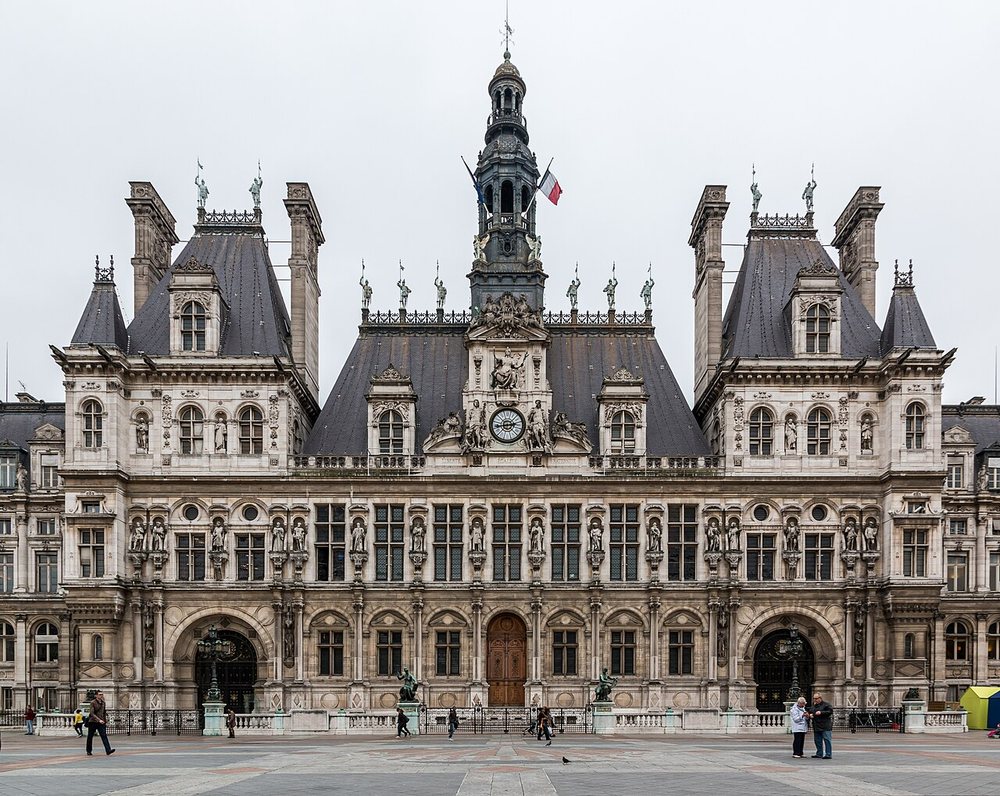
The Paris Citizens' Bill: an assembly wrote it, the city council passed it
Paris made its Citizens' Assembly a permanent body in 2021, with the power to submit bills to the city council. In 2023–24 its members worked on homelessness and drafted a 20-measure “Citizens' Bill” — including 3,000 more emergency housing places and child-welfare aid extended from age 18 to 25 — which the assembly approved unanimously. In July 2024 the Paris City Council adopted it, widely described as the first time a major city council enacted a bill written by a citizens' assembly.
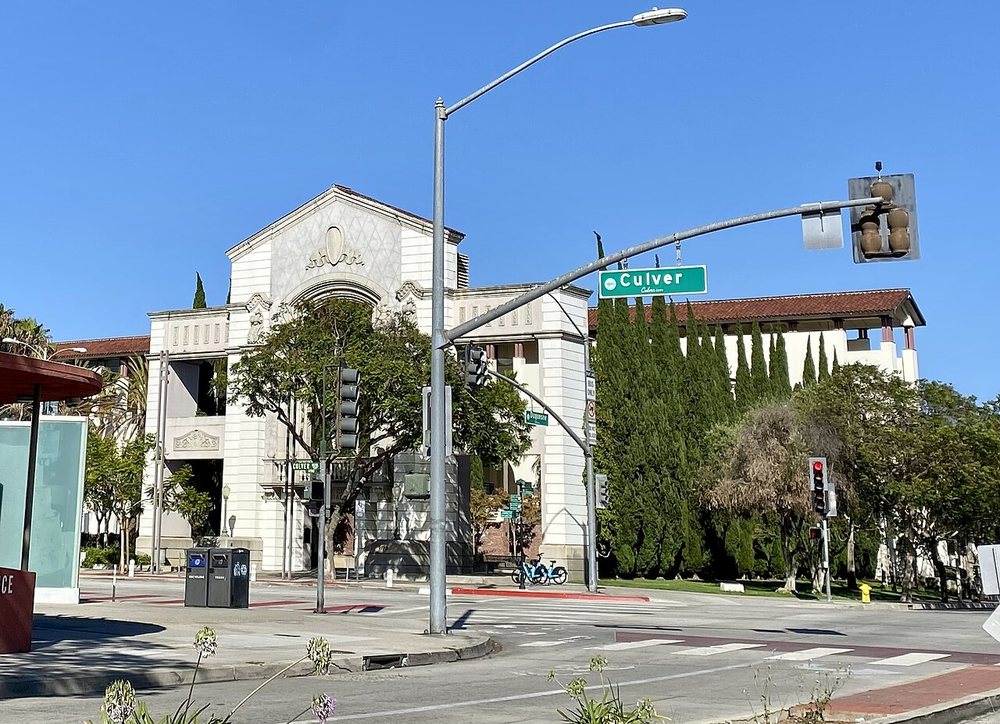
Culver City's Civic Assembly: residents took on the city budget process
Facilitated by the Center for New Democratic Processes, two groups of 30 residents — chosen by lottery from residents who responded to an invitation sent to households chosen by lottery — met for three days each in May and July 2026 to answer one question: how might the city increase public participation in its budget process? Their 93-page report went to the City Council on August 10, 2026, and the city has committed to a public response.
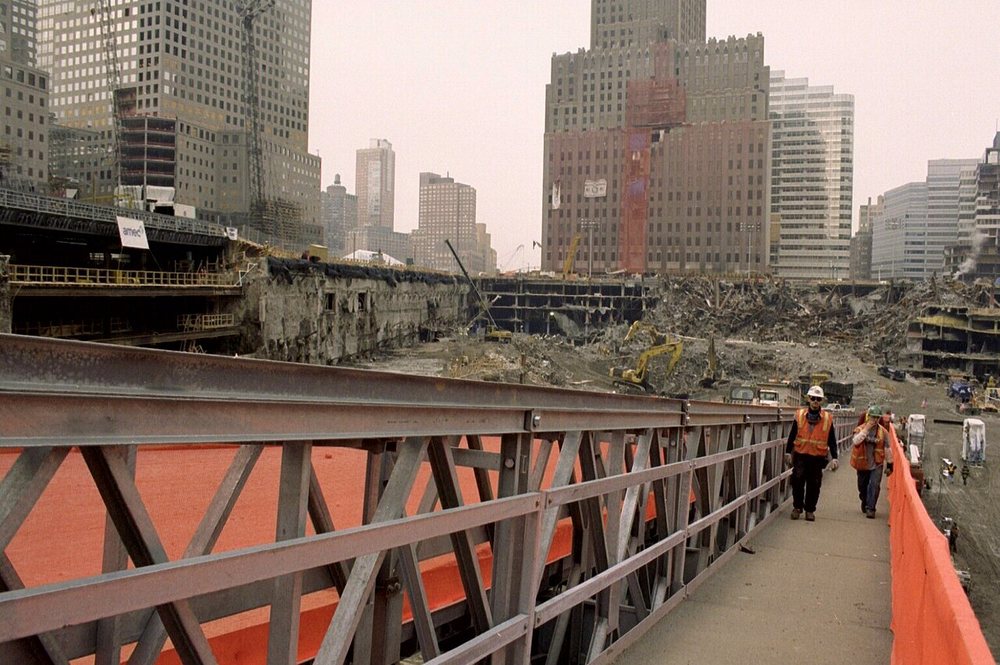
Listening to the City: thousands of New Yorkers helped set the course for Ground Zero
In July 2002 the AmericaSpeaks town meeting “Listening to the City” brought thousands of New Yorkers together in small facilitated tables to deliberate on the future of the World Trade Center site. Their clear rejection of the first six rebuilding proposals sent planners back to start over with a new design competition. A city that could have fractured found a path forward through structured, facilitated deliberation.
Years of evidence, in the face of disinformation and complexity
James Fishkin at Stanford's Center for Deliberative Democracy has run Deliberative Polls since the early 1990s — in the US, UK, Europe, China, Australia, and more. The finding is consistent: when everyday citizens have access to balanced information and time to deliberate, their views shift measurably toward more evidence-based, less tribal positions. The distance between what people believe and what the evidence supports shrinks dramatically when you take the party machine out of the room. Stanford CDD →
Participants trust the outcome — even when it challenges their prior views
The most consistent finding across all these processes: participants don't just agree with the result — they believe in the process. The political scientist Hélène Landemore and others have documented that lottery-selected assemblies are consistently viewed as more legitimate than elected representatives on contentious issues. The mechanism is straightforward: a participant was chosen by lot, not by donors and party gatekeepers. Their conclusion is their own.
Others doing this work
Citizens assemblies aren't a new idea — they've been run in dozens of countries over the past 20 years. Here are a few clear, positive places to dig in.
See how we'd put this to work in a state
The SCALE model builds a permanent citizens' assembly into state law — with a vote that can't be ignored.